
For decades, cannabis has been categorized into three familiar labels: indica, sativa, and hybrid. These terms are widely used to suggest how a product will make someone feel relaxed, energized, or somewhere in between.
However, modern cannabis science tells a more complex story. While these labels remain common, they are not reliable predictors of effects. Understanding why requires separating long-standing marketing narratives from evidence-based education.
The Botanical Origins of Indica and Sativa
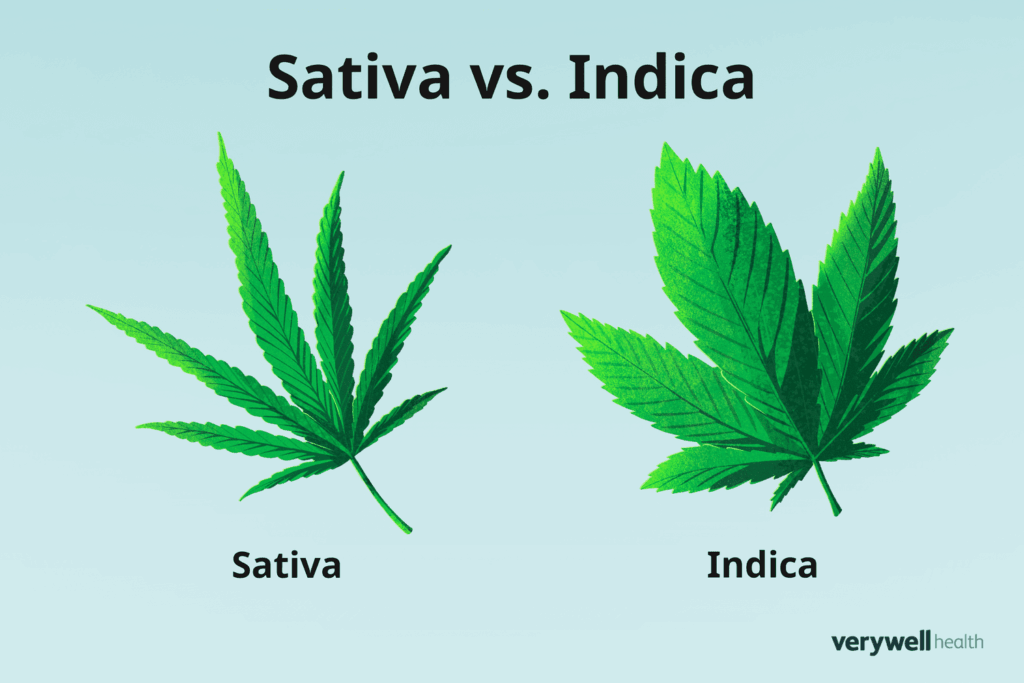
The terms indica and sativa were originally used to describe plant morphology and geographic origin, not consumer experience.
- Cannabis sativa plants typically grew taller with narrow leaves and thrived in warmer climates.
- Cannabis indica plants were generally shorter, bushier, and adapted to cooler, mountainous regions.
- Hybrids emerged as cultivators of crossbred plants to improve yield, resilience, flavor, and potency.
These distinctions were botanical, not psychoactive.
Why Effect-Based Labels Are Misleading
The popular belief that indica strains are sedating and sativa strains are stimulating persists largely due to decades of simplified marketing. In reality, this framework has significant limitations:
- Most cannabis available today is genetically hybridized, regardless of how it is labeled.
- Products labeled the same way can produce vastly different effects.
- Individual response varies based on physiology, tolerance, and context.
As a result, relying solely on indica, sativa, or hybrid classifications often leads to inconsistent expectations.
What Actually Influences Cannabis Effects
1. Cannabinoid Composition
Cannabinoids play a central role in shaping the cannabis experience.
- THC is primarily responsible for psychoactive effects.
- CBD may moderate THC’s intensity and contribute to balance or clarity.
- Minor cannabinoids such as CBG, CBN, and CBC can subtly influence effects.
The relative concentration of these compounds is far more informative than strain labels alone.
2. Terpene Profiles
Terpenes are aromatic compounds that contribute significantly to how cannabis feels and functions.
Common examples include:
- Myrcene — often associated with calming or sedative effects
- Limonene — frequently linked to elevated mood and mental energy
- Pinene — associated with alertness and focus
- Linalool — commonly connected to relaxation and stress relief
Two products with identical labels but different terpene profiles can produce entirely different experiences.
3. Individual Biology and Context
Cannabis effects are highly personal. Factors such as metabolism, tolerance, mood, and environment all influence outcomes. What feels energizing to one individual may feel calming to another.
This variability underscores why standardized effect claims can be unreliable.
Are Indica, Sativa, and Hybrid Still Useful?
These categories are not meaningless, but they should be understood as general descriptors rather than guarantees. They may provide a rough starting point, but they should not replace detailed product information or personal experience.
A More Informed Way to Choose Cannabis
Consumers seeking consistency and transparency should prioritize:
- Verified lab testing results
- Clear cannabinoid percentages
- Detailed terpene profiles
- Personal experience tracking over time
This approach supports better outcomes and more informed decision-making.
Why Honest Education Matters
As the cannabis industry matures, consumers are demanding greater transparency. Oversimplified narratives may be convenient, but they undermine trust.
Brands that invest in accurate education help elevate the industry, empower consumers, and foster long-term credibility.
Conclusion
- Indica, sativa, and hybrid labels describe lineage not guaranteed effects
- Cannabinoids and terpenes provide more meaningful insight
- Individual response is the most important factor
Understanding cannabis requires moving beyond labels and toward evidence-based information. When education leads, trust follows.