
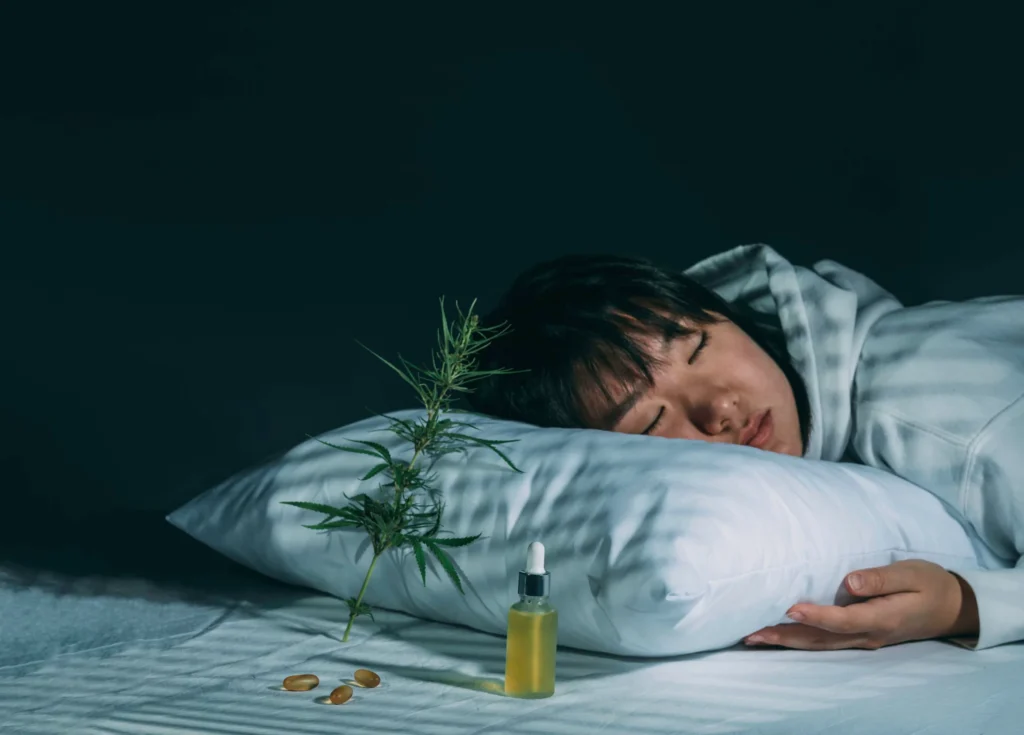
Cannabis has officially entered its “wellness era.” It’s in gummies, drinks, tinctures, and bedtime routines everywhere often positioned as a natural way to wind down, sleep better, and recover faster.
But between bold marketing claims and conflicting advice, it’s hard to know what actually helps versus what just sounds good on the label.
This guide cuts through the noise. No miracle cures. No medical promises. Just what we know so far about how cannabis may support sleep, stress relief, and recovery and how people are actually using it in the real world.
First, a Quick Reality Check
Cannabis affects everyone differently. Factors like dose, timing, product format, tolerance, and individual biology all matter. What feels calming for one person might feel overstimulating for another.
So instead of “cannabis does X,” it’s more accurate to say:
Certain cannabis compounds are commonly used in ways that support sleep, stress management, and recovery routines.
That distinction matters and it keeps expectations realistic.
Cannabis & Sleep: Calming the Mind vs. Knocking You Out
Many people turn to cannabis because their biggest sleep issue isn’t exhaustion it’s an overactive mind.
What people report it helps with:
- Slowing racing thoughts before bed
- Making it easier to fall asleep
- Feeling more relaxed during nighttime wind-down
What it’s not great for:
- Replacing healthy sleep habits
- Fixing chronic insomnia on its own
- Guaranteeing deep, uninterrupted sleep
Compounds people commonly look for
- THC (low to moderate amounts): Often associated with drowsiness and quicker sleep onset
- CBD: Popular for relaxation without intoxication
- CBN: Frequently marketed for sleep, though evidence is still emerging
- Terpenes like myrcene or linalool: Known for calming aromas and effects
A common takeaway from experienced users: less is often more, especially with THC. Higher doses can feel sedating at first but may interfere with sleep quality for some people.
Cannabis & Stress: Turning Down the Volume
Stress relief is where cannabis arguably shines the most not by erasing problems, but by softening the body’s response to them.
How people describe the effect:
- Feeling less physically tense
- Reduced mental “background noise”
- Easier transition from work mode to rest mode
What matters most here
- Dose control: Too much THC can increase anxiety instead of reducing it
- Cannabinoid balance: Many people prefer products with CBD or balanced THC:CBD ratios
- Context: Calm environments amplify calming effects; chaotic ones can do the opposite
CBD-forward products are especially popular for daytime or early evening stress support, since they’re less likely to impair focus or productivity.
Cannabis & Recovery: More About Relaxation Than Repair
When it comes to recovery whether from workouts, long days, or general physical strain cannabis is often misunderstood.
It’s not “repairing” muscles or accelerating healing in a direct way. Instead, people tend to use it to support recovery-adjacent behaviors, such as:
- Better relaxation post-exercise
- Easier body awareness during stretching or mobility work
- Improved sleep quality (which indirectly supports recovery)
Some users also report that cannabis helps them feel more comfortable during rest days which can make sticking to recovery routines easier overall.
Think of cannabis less as a recovery tool itself and more as something that can support the conditions where recovery happens.
Formats Matter More Than People Realize
How cannabis is consumed often matters as much as what’s in it.
Common options and how people use them
- Edibles: Longer-lasting, slower onset; often used for sleep
- Tinctures: More precise dosing, flexible timing
- Vapes or flower: Faster onset, easier to adjust in real time
- Beverages: Mild, social, and increasingly popular for stress relief
For sleep and stress, many people prefer formats that allow predictability and control, especially when building a routine.
What Actually Works (According to Real Use Patterns)
Across sleep, stress, and recovery, a few consistent themes show up:
- Low and slow beats high and fast
- Consistency matters more than potency
- Cannabis works best as part of a routine not a replacement for one
- Products designed for calm tend to work better than “strong” ones
The most positive experiences usually come from intentional use: setting, timing, dose, and purpose all aligned.
Final Thought: Cannabis as a Tool, Not a Fix
Cannabis isn’t a magic switch for better sleep, less stress, or faster recovery. But for many people, it can be a useful tool that helps create space for rest, relaxation, and recovery to happen more naturally.
When expectations stay grounded and use stays mindful, cannabis fits best not as a cure but as a companion to better habits.